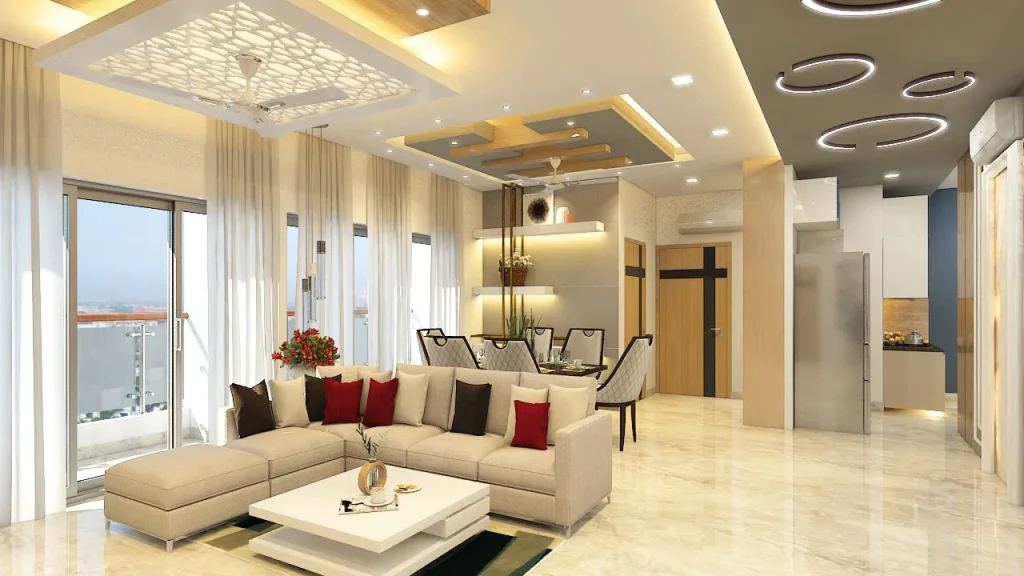

Understanding the Concept of Home
A home is far more than just a physical structure; it represents comfort, safety, and personal expression. Homes are the central hub for families, a space for relaxation, creativity, and memories. With evolving architectural trends, technological integration, and lifestyle changes, the concept of home has expanded to encompass modern amenities, energy efficiency, and personalized interior designs.
A well-designed home balances functionality, aesthetics, and comfort. Whether it is a small apartment, a suburban house, or a luxury villa, the home environment profoundly affects mental health, social interactions, and overall well-being.
Importance of a Home
The home serves several critical roles in an individual’s life:
- Safety and Security: Homes provide shelter from external elements and protection for family members.
- Comfort and Relaxation: A home is a place to unwind, enjoy leisure activities, and recharge.
- Expression of Personality: Interior design, color schemes, furniture, and decor reflect individual tastes and lifestyles.
- Social Space: Homes host gatherings, celebrations, and family interactions.
- Economic Asset: Homes often represent significant financial investments and wealth accumulation.
Home Design and Architecture
Designing a home involves combining functionality with aesthetics. Key elements include layout, structural planning, lighting, and the choice of materials.
Modern Home Architecture
- Open floor plans that enhance space and light.
- Integration of natural elements such as large windows and indoor gardens.
- Sustainable architecture using energy-efficient materials and renewable energy systems.
Interior Design Trends
- Minimalist designs with clean lines and neutral color palettes.
- Smart homes incorporating technology for automation, lighting, and security.
- Multifunctional furniture to optimize space in smaller homes.
Home Improvement and Renovation
Home improvement is essential for maintaining value and enhancing comfort. Renovation projects can range from small upgrades to large-scale remodeling.
Kitchen Renovation
- Modern kitchens feature smart appliances, efficient storage, and ergonomic layouts.
- Use of durable materials like quartz, granite, and high-quality laminates.
- Open kitchens connected to living spaces for social engagement.
Bathroom Upgrades
- Incorporating modern fixtures, walk-in showers, and water-saving technologies.
- Use of tiles, waterproof materials, and proper ventilation for hygiene and durability.
Living Room Enhancements
- Comfortable seating, stylish decor, and efficient lighting for functionality and aesthetics.
- Integration of entertainment systems, smart lighting, and energy-efficient solutions.
Bedroom Comfort
- Ergonomic mattresses, blackout curtains, and proper storage solutions.
- Use of calming colors and personalized decor to enhance rest and relaxation.
Outdoor Spaces and Landscaping
- Gardens, patios, and balconies increase living space and connect residents with nature.
- Landscaping ideas include water features, greenery, and outdoor lighting for aesthetic appeal.
Home Maintenance Tips
Maintaining a home ensures longevity, safety, and comfort. Key areas include:
- Roofing and Structure: Regular inspections prevent leaks and structural damage.
- Plumbing and Electrical Systems: Routine checks avoid major repairs and hazards.
- Heating, Ventilation, and Air Conditioning (HVAC): Proper maintenance improves energy efficiency.
- Pest Control: Preventing infestations protects health and property.
- Cleaning and Organization: Regular cleaning, decluttering, and storage management enhance comfort.
Smart Homes and Technology Integration
Technology has revolutionized the way homes function, providing convenience, efficiency, and safety:
- Home Automation: Automated lighting, climate control, and smart appliances.
- Security Systems: Smart locks, cameras, and alarm systems provide peace of mind.
- Energy Management: Solar panels, smart meters, and energy-efficient appliances reduce utility costs.
- Entertainment Systems: Streaming devices, home theaters, and connected speakers enhance leisure experiences.
Sustainable and Eco-Friendly Living
Sustainability has become an essential aspect of modern homes:
- Energy Efficiency: Insulation, LED lighting, and energy-efficient appliances.
- Water Conservation: Low-flow faucets, rainwater harvesting, and recycling greywater.
- Eco-Friendly Materials: Bamboo flooring, recycled wood, and non-toxic paints.
- Green Landscaping: Native plants and xeriscaping reduce water usage and maintenance.
Home Safety and Security
Ensuring safety is vital for every household:
- Install smoke detectors, carbon monoxide alarms, and fire extinguishers.
- Use secure doors, windows, and surveillance systems.
- Childproofing homes with safety gates, socket covers, and cabinet locks.
- Maintain safe storage for chemicals, medications, and sharp tools.
The Emotional and Social Value of Home
Homes play a significant role in emotional well-being:
- A well-organized and aesthetically pleasing environment reduces stress and enhances mental health.
- Homes foster family bonding through shared activities, meals, and celebrations.
- Personal spaces allow for creativity, relaxation, and individual expression.
Future of Home Living
Modern homes are expected to be adaptive, sustainable, and tech-enabled:
- Increased use of smart technology for energy efficiency and security.
- Sustainable construction and eco-friendly designs becoming mainstream.
- Flexible spaces that can adapt to work-from-home setups, entertainment, and hobbies.
- Integration of community-focused designs for shared amenities and social interactions.
Conclusion
A home is more than a physical structure; it is a reflection of lifestyle, personality, and values. Investing in proper design, maintenance, and modernization ensures comfort, safety, and long-term value. Modern homes integrate technology, sustainability, and functional aesthetics to create spaces that meet evolving needs. Understanding trends, interior design principles, and maintenance strategies allows homeowners to cultivate spaces that are not only visually appealing but also nurturing and efficient.
FAQ Section
1. What defines a modern home?
A modern home combines aesthetics, functionality, smart technology, and sustainable materials while prioritizing comfort and energy efficiency.
2. How can I make my home more energy-efficient?
Use LED lighting, proper insulation, energy-efficient appliances, solar panels, and smart thermostats to reduce energy consumption.
3. What are essential safety features for homes?
Install smoke detectors, carbon monoxide alarms, secure locks, surveillance cameras, and childproofing elements if necessary.
4. How important is interior design in a home?
Interior design enhances comfort, functionality, and aesthetics, reflecting personal style and improving mental well-being.
5. What are the best ways to improve outdoor spaces?
Create gardens, patios, or balconies with proper landscaping, seating, lighting, and greenery for relaxation and aesthetic appeal.
6. How can smart home technology improve daily living?
Smart devices automate lighting, climate control, security, and entertainment, enhancing convenience, safety, and energy efficiency.
7. Why is home maintenance crucial?
Regular maintenance prevents costly repairs, ensures safety, maintains aesthetics, and prolongs the life of home systems and structures.