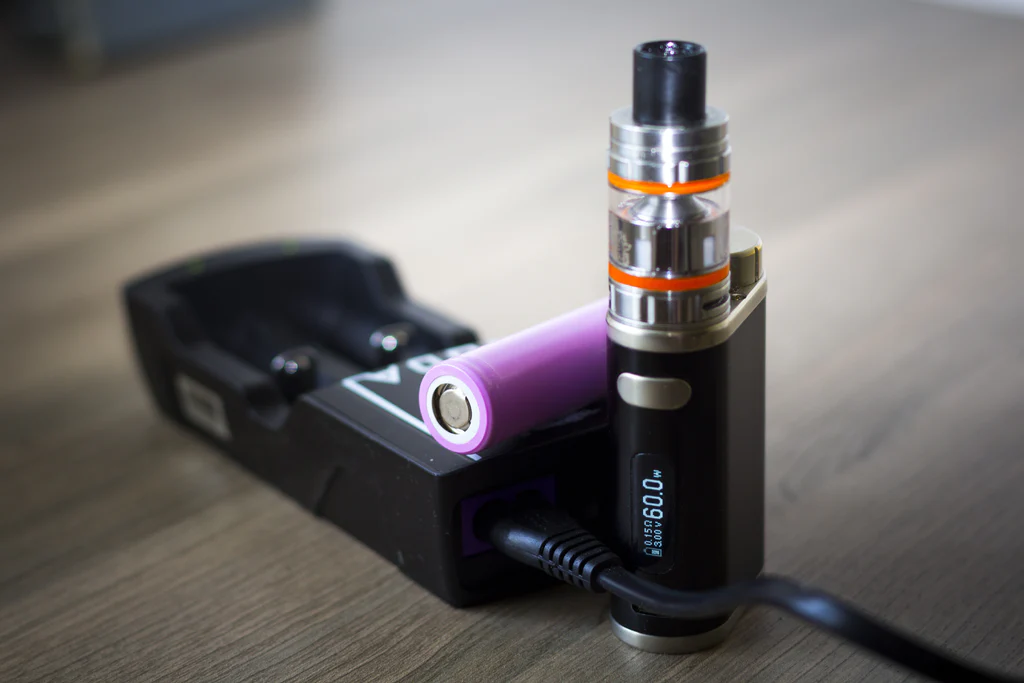

Vaping devices rely on one essential component to function effectively: the battery. While coils, tanks, and e-liquids often capture the spotlight, batteries are the real powerhouse behind every vaping experience. Understanding vape batteries is not only important for performance but also for safety. Improper use, charging, or handling can lead to dangerous outcomes. With more people using advanced mods and devices, knowing how to manage batteries responsibly has never been more important. This article explores vape batteries explained in detail and provides essential safety tips every vaper should know, with valuable Aking in guidance for safer vaping practices.
Why Vape Batteries Matter
Vape batteries are the heart of any vaping device, supplying the energy needed to heat the coil and produce vapor. The performance of a vape—whether it delivers big clouds or smooth flavor—depends largely on the quality and condition of its battery. More importantly, safe battery use prevents hazards like overheating, leaking, or in rare cases, explosions. By learning how batteries work and how to handle them correctly, vapers can enjoy their devices confidently and safely.
Types of Vape Batteries
Vape devices use different types of batteries, and understanding the distinctions helps in choosing the right one.
-
Integrated Batteries: Built directly into the device, these batteries are charged via USB or Type-C ports. They are user-friendly and common in beginner vape kits.
-
Removable Batteries: Usually lithium-ion cells such as 18650, 20700, or 21700 models. These are favored in advanced mods for their higher power output and flexibility.
-
Disposable Pod Batteries: Found in single-use vape pens, these are not rechargeable and are designed for limited lifespan convenience.
Each type has unique pros and cons. Integrated batteries offer simplicity, while removable ones provide versatility and longer device life when replaced responsibly.
Common Battery Sizes in Vaping
Removable vape batteries often come in standardized sizes. The most common include:
-
18650 Batteries: Compact and widely available, these balance size and power, making them popular among many mods.
-
20700 Batteries: Larger than 18650s, offering increased capacity and longer run times.
-
21700 Batteries: Deliver the highest capacity and efficiency, suitable for powerful vape mods requiring extended performance.
Choosing the right size depends on the device compatibility and the vaping style of the user.
Understanding Battery Ratings
When looking at vape batteries, terms like mAh and amp limits often appear. Knowing these ratings helps prevent misuse.
-
Capacity (mAh): Indicates how long the battery will last between charges. Higher mAh means more extended use but not necessarily more power.
-
Continuous Discharge Rating (CDR): Shows how much current the battery can safely supply without overheating.
-
Pulse Rating: Refers to the maximum current the battery can handle for short bursts, though continuous use at this level is unsafe.
Experts emphasize the importance of using batteries within their safe ratings to avoid overheating and potential hazards.
Safety Risks Associated with Vape Batteries
Vape batteries are powerful energy sources, and mishandling can lead to risks such as:
-
Overheating due to excessive current draw
-
Short circuits from improper storage
-
Explosions caused by damaged wraps or faulty chargers
-
Fire hazards when batteries come into contact with metal objects like keys or coins
Most accidents occur because users ignore manufacturer guidelines or use damaged batteries. Fortunately, following safety practices minimizes these risks significantly.
Essential Vape Battery Safety Tips
To ensure safe vaping experiences, these battery safety tips should always be followed:
1. Buy Authentic Batteries
Only purchase batteries from trusted retailers and brands. Counterfeit batteries often lack proper safety standards and can be dangerous.
2. Inspect Battery Wraps
Check for tears or scratches on the battery wraps. Damaged wraps can cause short circuits. Rewrapping kits are inexpensive and widely available for repairs.
3. Use the Right Charger
Always use chargers designed specifically for vape batteries. Avoid cheap or generic chargers that may overcharge or fail to balance cells properly.
4. Avoid Overcharging
Remove batteries from the charger once they are fully charged. Overcharging reduces lifespan and increases the risk of overheating.
5. Store Batteries Safely
Never carry loose batteries in pockets or bags where they may contact metal objects. Use protective cases or silicone sleeves to prevent accidents.
6. Stay Within Amp Limits
Ensure your coil resistance and wattage settings do not exceed the safe amp limits of your battery. Using Ohm’s law calculators can help verify safe usage.
7. Keep Batteries Away from Heat
Avoid exposing batteries to extreme temperatures, such as leaving them in a hot car or near heaters, which can degrade performance and safety.
8. Replace Old or Damaged Batteries
If a battery shows signs of swelling, leakage, or excessive heat, it should be replaced immediately. Regular users should rotate batteries to ensure even wear.
Charging Vape Batteries Properly
Charging practices play a major role in battery safety and lifespan. Integrated batteries should only be charged with the included cable and adapter, while removable ones benefit from dedicated external chargers. External chargers not only extend battery life but also provide safety features like overcharge protection and temperature monitoring. For best results, avoid overnight charging, and never leave batteries unattended while charging.
Battery Maintenance for Longevity
Maintaining vape batteries properly ensures better performance and longer use. Tips for battery care include:
-
Cleaning battery contacts regularly with a dry cloth to improve conductivity
-
Keeping batteries at around 40–60% charge if stored long-term
-
Rotating multiple batteries to distribute usage evenly
-
Avoiding full discharges, as lithium-ion batteries last longer when charged before they hit very low levels
Consistent maintenance habits keep devices reliable and reduce replacement costs over time.
Vape Batteries and Advanced Mods
For those who use advanced vape mods, understanding battery safety becomes even more important. Sub-ohm vaping and high-wattage devices place heavy demands on batteries. Advanced users should choose high-drain batteries with suitable discharge ratings to handle the power requirements. Knowledge of coil resistance and the relationship between voltage, current, and wattage helps prevent unsafe conditions.
Environmental Responsibility and Disposal
Disposing of vape batteries properly is crucial for safety and sustainability. Old or damaged batteries should never be thrown in household trash. Instead, they should be recycled at dedicated collection points for lithium-ion cells. Many vape shops and electronic retailers offer recycling services. Responsible disposal prevents environmental hazards and ensures harmful materials do not end up in landfills.
The Role of Aking in Safe Vaping
For those searching for reliable insights, Aking in emphasizes education and awareness. By spreading knowledge about battery safety, vaping communities can reduce risks and create a culture of responsibility. Whether you are new to vaping or an experienced enthusiast, staying informed about battery handling ensures a safer and more enjoyable experience.
FAQs About Vape Batteries
Are removable batteries safer than built-in ones?
Both can be safe when used correctly. Removable batteries offer flexibility, while built-in batteries reduce the risk of user error.
How often should I replace vape batteries?
Most lithium-ion batteries last 6–12 months, depending on usage. Replace them if performance drops or damage appears.
Can I use any charger for my vape batteries?
No, always use the correct charger designed for your battery type. Cheap alternatives may overcharge and damage cells.
Why does my vape battery get hot?
Overuse, exceeding amp limits, or damaged wraps may cause overheating. Stop using the battery immediately if it becomes too hot.
Is it safe to carry spare batteries in my pocket?
No, loose batteries can short-circuit when in contact with metal objects. Always use protective cases.
Can I repair a damaged vape battery?
You can rewrap batteries with damaged coverings, but swollen or leaking batteries should be disposed of safely.
Do higher mAh batteries produce more power?
Not necessarily. Higher mAh increases battery life, but power depends on the discharge rating and device compatibility.