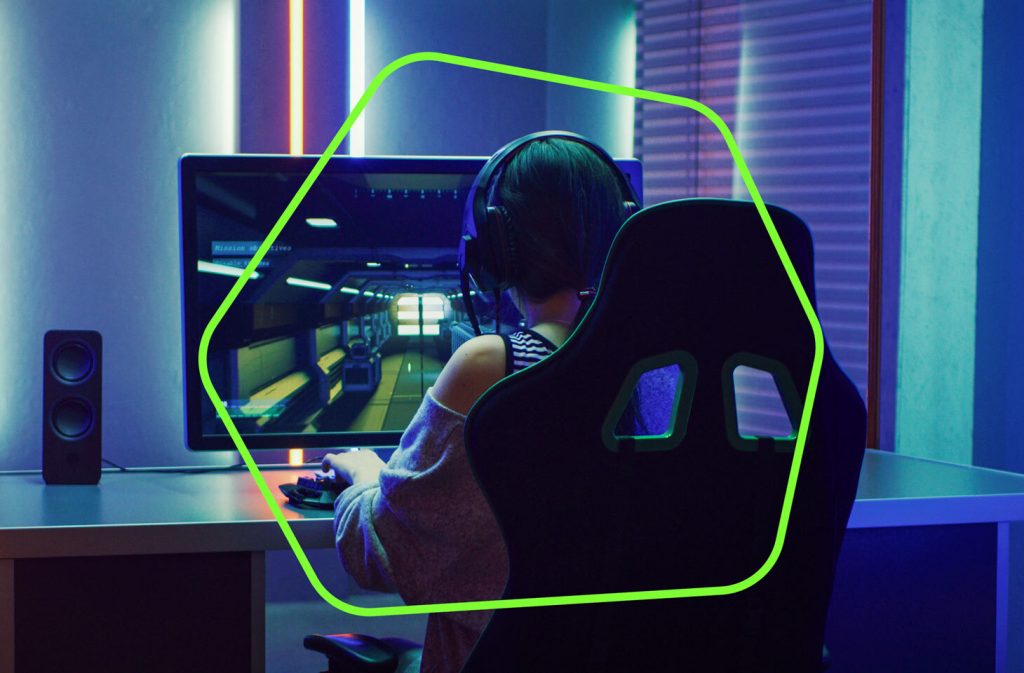

Understanding Gaming
Gaming has evolved from simple pastime entertainment to a multi-billion-dollar industry influencing technology, culture, and social interactions worldwide. At its core, gaming encompasses playing video games, computer games, mobile games, and online multiplayer experiences, engaging audiences of all ages. Modern gaming integrates storytelling, graphics, sound design, and interactivity, creating immersive experiences that go far beyond traditional board or card games.
The industry’s growth is fueled by technological advancements, increased internet accessibility, and the rise of mobile and console platforms. Gaming today is not just entertainment; it is a cultural phenomenon, a career path through esports, and an avenue for social interaction across virtual spaces.
The Importance of Gaming
Gaming impacts society and individuals in multiple ways:
- Entertainment: Provides immersive experiences that entertain and engage users across genres and platforms.
- Cognitive Skills: Enhances problem-solving, hand-eye coordination, strategic thinking, and decision-making abilities.
- Social Interaction: Online multiplayer games and communities allow players to collaborate, compete, and communicate globally.
- Economic Influence: The gaming industry contributes significantly to global GDP, offering employment in game development, streaming, esports, and retail.
- Cultural Impact: Gaming has shaped popular culture, influencing movies, music, merchandise, and online communities.
Types of Gaming Platforms
Gaming platforms have diversified over the years, each catering to different audiences and preferences:
Console Gaming
Console gaming remains popular for immersive, high-quality experiences:
- PlayStation: Known for exclusive titles and high-end graphics, attracting hardcore gamers.
- Xbox: Offers integration with Microsoft services, cloud gaming, and competitive online communities.
- Nintendo Switch: Combines portability and home console features, appealing to family and casual gamers.
PC Gaming
PC gaming provides flexibility, customization, and high-performance gaming:
- Supports a wide range of games, from indie titles to AAA productions.
- Allows hardware customization, including graphics cards, processors, and peripherals.
- Popular platforms include Steam, Epic Games Store, and GOG.
Mobile Gaming
Mobile gaming has expanded accessibility and casual play:
- Smartphones and tablets allow gaming on-the-go.
- Freemium models dominate, offering in-app purchases and microtransactions.
- Popular games include strategy, puzzle, battle royale, and augmented reality (AR) titles.
Cloud Gaming
Cloud gaming leverages streaming technology to deliver games without powerful hardware:
- Platforms like Google Stadia, NVIDIA GeForce Now, and Xbox Cloud Gaming allow instant play.
- Reduces hardware costs and improves accessibility across devices.
- Supports cross-platform play, enhancing multiplayer experiences.
Popular Gaming Genres
Gaming offers diverse genres catering to different tastes and playstyles:
Action and Adventure Games
- Focus on exploration, storytelling, and fast-paced gameplay.
- Includes platformers, shooters, and action-adventure hybrids.
- Popular titles: The Legend of Zelda, Assassin’s Creed, God of War.
Role-Playing Games (RPGs)
- Players assume character roles, making decisions that affect storylines.
- Often include character development, quests, and immersive narratives.
- Popular titles: Final Fantasy, The Witcher, Skyrim.
Simulation and Strategy Games
- Simulate real-world activities or strategic decision-making scenarios.
- Includes city-building, life simulation, and strategy-based games.
- Popular titles: The Sims, Civilization, SimCity.
Sports and Racing Games
- Mimic real-life sports, competitions, and racing experiences.
- Incorporates realistic physics, online multiplayer, and competitive play.
- Popular titles: FIFA, NBA 2K, Forza Horizon.
Esports and Competitive Gaming
Esports has transformed gaming into a professional sport:
- Competitions and Tournaments: Global tournaments attract millions of viewers online and offline.
- Professional Players: Skilled gamers compete for sponsorships, salaries, and prize money.
- Streaming Platforms: Twitch, YouTube Gaming, and Facebook Gaming allow players to broadcast gameplay and build fanbases.
- Impact on Careers: Esports careers include coaching, commentary, game development, marketing, and event management.
Game Development and Technology
Game development involves multiple stages, combining art, programming, and storytelling:
Design and Conceptualization
- Developers create concepts, storylines, character designs, and game mechanics.
- Pre-production involves prototyping gameplay ideas and testing user engagement.
Programming and Engine Use
- Game engines like Unreal Engine and Unity provide frameworks for development.
- Programming languages such as C++, C#, and Python support mechanics, AI, and physics simulations.
Graphics and Animation
- High-quality graphics and animation enhance immersion.
- 3D modeling, texture mapping, and motion capture technologies create realistic visuals.
Sound Design and Music
- Sound effects, background music, and voice acting contribute to storytelling and atmosphere.
- Audio design impacts player engagement and emotional responses.
Testing and Launch
- Quality assurance ensures games are free of bugs and glitches.
- Beta testing gathers player feedback to refine gameplay.
Monetization in Gaming
Monetization strategies vary across platforms and genres:
- Premium Purchases: One-time purchases for full game access.
- Freemium Models: Free games with in-app purchases or microtransactions.
- Subscription Services: Access to game libraries via platforms like Xbox Game Pass or PlayStation Plus.
- Advertising and Sponsorships: Mobile and free-to-play games generate revenue through ads.
- Merchandising: Physical merchandise, collectibles, and branded products extend revenue streams.
Trends Shaping the Future of Gaming
The gaming industry is constantly evolving, influenced by technology and consumer behavior:
Virtual Reality (VR) and Augmented Reality (AR)
- VR creates fully immersive experiences, using headsets and motion tracking.
- AR overlays digital content on real-world environments, enhancing mobile gaming.
Artificial Intelligence in Gaming
- AI enhances non-player character (NPC) behavior, procedural content generation, and adaptive difficulty levels.
- Supports personalized experiences and improved game design.
Cross-Platform Gaming
- Gamers can play together across consoles, PC, and mobile devices.
- Expands multiplayer communities and increases game accessibility.
Social and Community Integration
- Social features like chat, guilds, and online events foster engagement.
- Community-driven content and mods enhance replayability and user involvement.
Challenges in Gaming
Despite growth, gaming faces challenges:
- Addiction and Screen Time: Excessive gaming can impact health and social life.
- Cybersecurity and Privacy: Online gaming exposes players to hacking and data breaches.
- Toxicity and Harassment: Multiplayer communities sometimes face negative behavior and abuse.
- Market Saturation: Increasing competition requires innovative game design and marketing.
Conclusion
Gaming has become more than just entertainment; it is an influential cultural, social, and economic force. With advancements in technology, the expansion of esports, and the growth of mobile and cloud gaming, the industry continues to evolve rapidly. Whether for casual enjoyment, competitive play, or professional careers, gaming offers something for everyone. Understanding platforms, genres, development, and trends allows players, developers, and investors to engage meaningfully with this dynamic industry.
FAQ Section
1. What is the difference between console and PC gaming?
Console gaming offers standardized hardware and exclusive titles, while PC gaming provides customization, higher performance, and access to a broader range of games.
2. How has mobile gaming changed the industry?
Mobile gaming expanded accessibility, introduced freemium models, and created casual gaming communities worldwide.
3. What is esports and how can one become a professional player?
Esports is competitive gaming at a professional level. Aspiring players need skills, practice, participation in tournaments, and often streaming to build a career.
4. How does VR and AR enhance gaming experiences?
VR immerses players in virtual worlds with interactive environments, while AR overlays digital content on real-world surroundings for interactive gameplay.
5. What are the main revenue models in gaming?
Revenue models include premium purchases, freemium/in-app purchases, subscriptions, advertising, sponsorships, and merchandising.
6. How can gaming improve cognitive skills?
Strategic, problem-solving, and fast-paced games enhance decision-making, memory, spatial awareness, and hand-eye coordination.
7. What trends are shaping the future of gaming?
VR/AR, AI-driven gameplay, cross-platform play, social integration, and cloud gaming are major trends driving the industry forward.