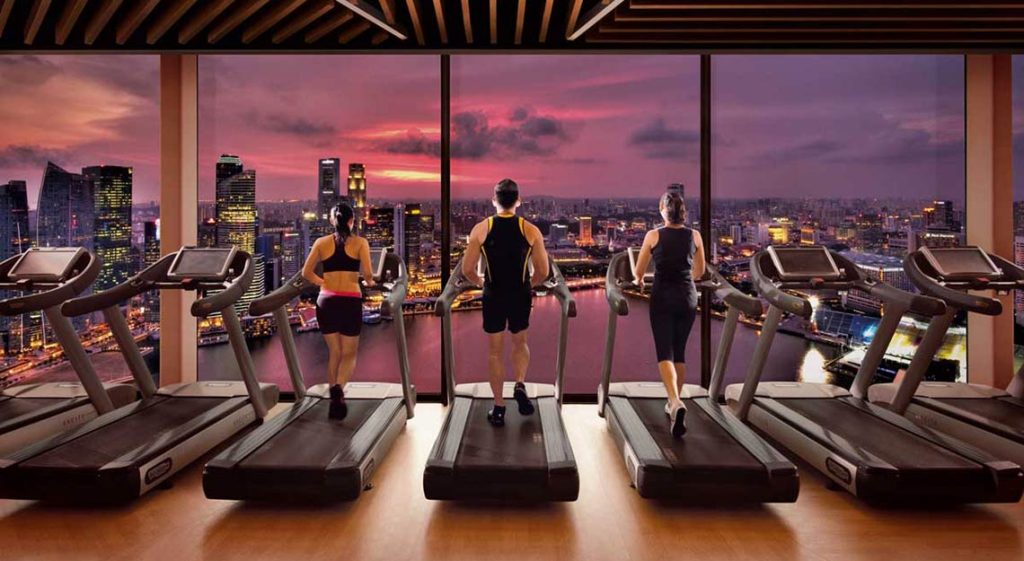

The gym has long been associated with weight loss, strength building, and muscle gain. But for many in Singapore, the journey through a fitness gym Singapore experience becomes far more than just a physical transformation. It’s about reclaiming confidence, managing mental health, building resilience, and discovering a new way of life. These are the stories rarely seen in before-and-after photos but deeply felt by those who live them.
In a society that often prioritises productivity and fast results, it’s easy to forget that fitness is not just about visual change. For countless individuals, committing to regular exercise at a gym becomes a turning point in their careers, relationships, mental health, and identity. Local fitness spaces like TFX have evolved to support these deeper transformations, creating environments where people grow stronger not just in body, but in mind and purpose.
From Burnout to Balance: Kelly’s Story
Kelly, a 29-year-old marketing executive, found herself completely drained by the hustle of her corporate role. After months of poor sleep, stress-induced headaches, and losing interest in social life, she decided to take a trial class at a fitness gym Singapore outlet near her office. That single step changed her entire approach to self-care.
She began with low-intensity functional classes twice a week and gradually progressed to strength training. As her fitness level improved, so did her sleep and mood. Within months, she reported feeling more energised at work and less reactive under pressure. Gym sessions became her personal reset button after high-stress meetings.
The most profound change? She no longer viewed exercise as something she “had to do,” but something she truly looked forward to—an anchor in her week that grounded her in a city that never stops moving.
Rebuilding Confidence After Injury: Darren’s Comeback
Darren, a former amateur footballer in his early 40s, struggled with chronic knee pain after a sports injury. He avoided gyms for years, worried he’d aggravate the problem. After a physiotherapist encouraged strength training to aid recovery, he joined a well-equipped fitness gym Singapore location known for its knowledgeable trainers.
Instead of jumping straight into heavy lifting, Darren worked through mobility routines, balance drills, and progressive loading. Slowly but surely, the pain reduced, and he started regaining his range of motion. He now trains three times a week and reports not just reduced discomfort, but renewed confidence in his body.
More importantly, he says he no longer fears movement. The gym helped him rebuild trust in his body—something no medication or passive therapy had ever achieved.
From Postpartum Struggles to Empowerment: Priya’s Journey
After the birth of her second child, Priya struggled with weight retention, fatigue, and loss of self-esteem. Like many mothers, she found herself giving everything to her family while neglecting her own needs. It wasn’t until her doctor suggested strength training for hormonal balance that she explored options at a nearby fitness gym Singapore location.
Starting with postnatal-friendly classes and progressing slowly, Priya rediscovered her strength, both physically and emotionally. She regained core stability, improved her energy, and most importantly, carved out “me time” that didn’t feel like a guilty indulgence.
Today, she encourages other mums in her condo group to explore gym-based fitness as a tool for self-recovery. For her, the transformation wasn’t just about losing baby weight—it was about finding herself again.
Mental Health Matters: Zhi Wei’s Recovery
Zhi Wei, a 24-year-old final-year university student, battled anxiety and depressive episodes during the pandemic. While therapy helped, he felt stuck in his body—tired, sluggish, and emotionally flat. A friend invited him to a beginner circuit class at a fitness gym Singapore facility, and he reluctantly agreed.
The first few sessions were tough. But slowly, the combination of movement, supportive trainers, and post-workout endorphins lifted his emotional fog. Over time, he began sleeping better, feeling more socially confident, and found a community of peers who understood what he was going through.
Zhi Wei now incorporates fitness into his mental health plan and credits gym training as a key component of his ongoing recovery journey.
What Makes These Transformations Possible?
These stories may seem different, but they share common themes that reflect what makes a fitness gym in Singapore more than just a place to sweat. They are supported by:
- Personalised progression: Programmes that adapt to one’s fitness level, injury history, and goals
- Supportive environments: Inclusive communities where everyone feels welcome, regardless of background or body type
- Accessible professional guidance: Trainers who offer knowledge, motivation, and accountability
- Holistic wellness: Facilities that integrate strength, mobility, recovery, and mental well-being
Rather than chasing quick fixes, these individuals embraced a lifestyle shift anchored in consistent, structured gym training. It’s not about perfection—it’s about progress, however slow, and the empowerment that comes from showing up for yourself week after week.
Fitness as an Identity, Not a Phase
One of the most striking patterns among those who undergo deep transformations is the shift in self-perception. At the start, most members see the gym as a means to an end—fat loss, strength, or recovery. But over time, their identity shifts. They no longer just “go to the gym”; they become someone who lives a fit and active lifestyle.
This identity shift sustains long-term consistency. It’s not about motivation anymore, but about alignment with who they are. They don’t need external validation or deadlines. Fitness becomes part of their routine like brushing teeth or going to work.
This is the long game. And it’s one many Singaporeans are learning to embrace with the right support system.
Question & Ans: Meaningful & Real-Life FAQ
Q: How long does it take to see real results from the gym?
A: That depends on your starting point and consistency. Most people start feeling better within a few weeks and begin seeing physical results in 8–12 weeks. However, emotional and mental gains often appear much earlier.
Q: I have never worked out before. Can I still join a gym and benefit?
A: Absolutely. Most fitness gym Singapore locations offer beginner-friendly sessions and guidance. You don’t need to be fit to start. The key is showing up and being willing to learn.
Q: What if I have a past injury or chronic pain?
A: Look for a gym that provides access to professional trainers with experience in injury prevention and rehab-focused workouts. Proper strength training often supports recovery when done correctly.
Q: I’m not trying to lose weight. Is the gym still useful for me?
A: Yes. Fitness supports mood regulation, hormonal balance, cardiovascular health, better sleep, and productivity. The benefits go far beyond weight loss.
Q: How do I stay motivated for the long term?
A: Build routines you enjoy, track your progress in small milestones, and surround yourself with a supportive fitness environment like TFX. Focus on how you feel rather than just how you look.