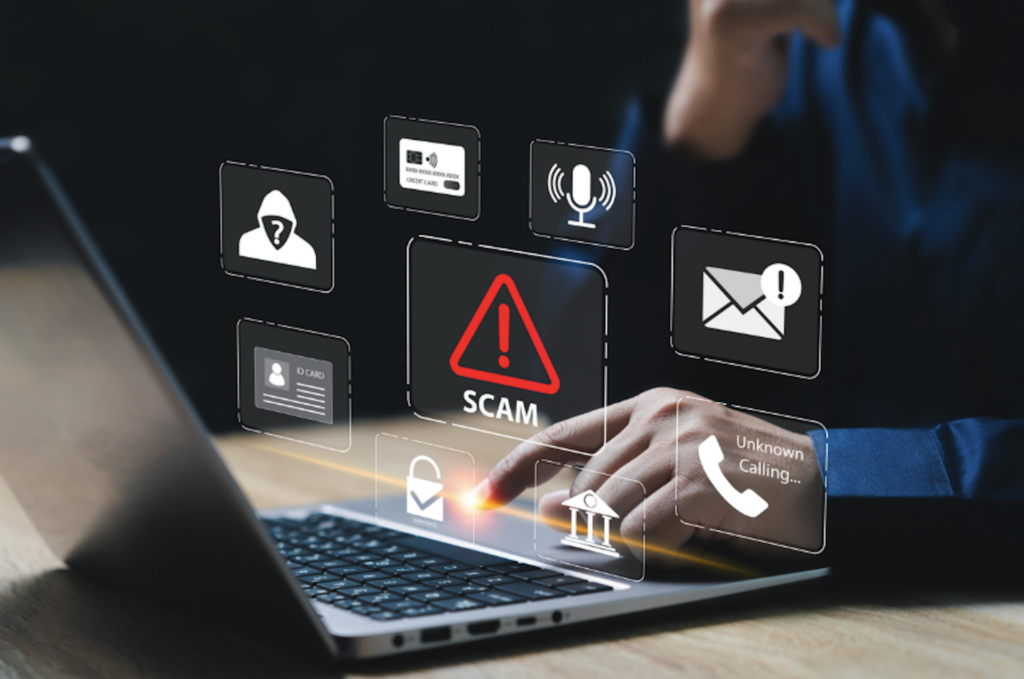

Financial scams have evolved from rudimentary, easily spotted email hoaxes into sophisticated, highly coordinated criminal operations. Modern fraudsters utilize advanced psychological manipulation, artificial intelligence, data breaches, and deceptive communication tools to target consumers across every demographic. Whether through convincing text messages, spoofed phone calls from familiar financial institutions, or elaborate online investment platforms, scammers work continuously to bypass digital security barriers and access personal funds.
Protecting personal wealth requires more than basic skepticism. It demands a structured understanding of how modern fraud schemes operate, the psychological triggers perpetrators exploit, and the defensive habits necessary to secure bank accounts, retirement funds, and digital identities. Developing a proactive security mindset allows individuals to recognize deceit instantly and safeguard their hard-earned assets.
The Psychological Mechanisms Behind Modern Scams
Financial scams rarely succeed because victims lack intelligence. Instead, fraudsters design schemes that deliberately hijack human psychology and circumvent analytical reasoning. By triggering powerful emotional responses, criminals force individuals to make impulsive decisions before their critical thinking can evaluate the situation.
Perpetrators frequently rely on four primary emotional levers:
-
Manufactured Urgency: Scammers create a false sense of immediate peril, claiming that an account will be permanently closed, a legal warrant will be issued, or a suspicious transfer is processing right now. This artificial pressure discourages victims from taking time to verify claims.
-
Fabricated Authority: Fraudsters impersonate respected institutions, including the Internal Revenue Service, federal law enforcement, major retail platforms, or local utility providers. Badges, official jargon, and spoofed caller IDs are used to intimidate targets into compliance.
-
The Illusion of Exclusivity and Wealth: In investment schemes, scammers exploit natural aspirations for financial security. They present complex, seemingly lucrative investment vehicles promising guaranteed high returns with zero market risk, convincing victims that they have gained access to an exclusive financial opportunity.
-
Intentional Isolation: Deceivers frequently instruct victims not to discuss the ongoing transaction with family members, friends, or bank tellers, claiming that doing so will breach confidentiality or compromise an ongoing sting operation.
The Most Prevalent Financial Scams in Circulation
Understanding the tactical structures of current financial schemes is the first line of defense against loss. While details vary, most scams follow recognizable patterns.
Impersonation and Government Agency Scams
In this scheme, a fraudster contacts an individual claiming to represent a federal agency, utility provider, or financial institution. The caller asserts that the victim owes back taxes, has missed jury duty, or has an active warrant for arrest. To avoid immediate detention or asset seizure, the victim is instructed to transfer funds immediately through wire transfers, prepaid debit cards, or cryptocurrency kiosks. Legitimate government entities never demand immediate payment over the phone, nor do they solicit payment via retail gift cards or digital currencies.
Phishing, Smishing, and Vishing Operations
Digital communication channels remain the primary vector for unauthorized account access:
-
Phishing (Email): Deceptive emails that replicate corporate branding from banks, parcel delivery services, or software providers, directing users to fake login portals designed to capture passwords and account numbers.
-
Smishing (SMS/Text Messages): Urgent text alerts regarding compromised bank accounts, suspicious package deliveries, or unpaid toll charges containing malicious hyperlinks.
-
Vishing (Voice Calls): Automated robocalls or live callers using spoofed caller identification to masquerade as fraud department representatives seeking verification of sensitive personal data.
Investment and Cryptocurrency Fraud
Often referred to in law enforcement circles as confidence or relationship-based investment fraud, these schemes often begin innocently on social media platforms, professional networks, or messaging applications. The scammer builds a rapport with the victim over weeks or months before introducing a high-yield trading opportunity. Victims are directed to fraudulent, beautifully designed investment websites showing fabricated, exponential returns. When the victim attempts to withdraw their initial capital or earnings, the platform demands exorbitant administrative fees, insurance deposits, or taxes until the victim realizes the funds were stolen from the beginning.
Bank Fraud Department Spoofing
One of the most dangerous modern scams involves a criminal posing as a bank fraud specialist. The caller informs the account holder that an unauthorized wire transfer or debit transaction is currently underway. To stop the transfer, the caller instructs the victim to read back a one-time verification passcode sent to their phone, or to transfer their money into a safe government-backed account for protection. In reality, reading back the code grants the criminal access to the victim actual online banking profile, and moving the money sends it straight into a fraudster-controlled wallet.
Family Emergency and Imposter Schemes
Using information harvested from public social media profiles or voice-cloning technology, criminals contact older adults posing as grandchildren, nieces, or close friends. The caller claims to be in sudden, dire distress—such as an automobile accident in a foreign country, an arrest, or sudden hospitalization—and begs for immediate bail money or medical coverage, pleading with the relative not to alert their parents.
Universal Red Flags of a Financial Scam
Regardless of the specific scenario presented, nearly all fraudulent operations share distinct operational signatures. Recognizing these red flags allows individuals to disengage before damage occurs:
-
Demands for Non-Standard Payment Channels: Legitimate businesses do not demand settlement through retail gift cards, peer-to-peer payment apps, wire services to private individuals, or physical cash deposits into cryptocurrency machines.
-
Requests for Authentication Passcodes: No legitimate bank or financial institution will ever call you and ask you to provide a multi-factor authentication code or temporary security PIN sent to your device.
-
Refusal to Allow Verification: If a caller refuses to allow you to hang up, locate an official public phone number, and call back through the main customer service line, the communication is almost certainly fraudulent.
-
Demands for Remote Computer Access: Fraudsters claiming to be technical support agents frequently ask victims to download screen-sharing applications like AnyDesk or TeamViewer to fix an alleged security error, which gives them full control over online accounts.
Core Habits to Fortify Personal Financial Defenses
Building an enduring defense against financial fraud requires implementing layered security protocols across digital devices and banking relationships.
Strengthen Account Access and Authentication
-
Deploy Hardware or App-Based Multi-Factor Authentication: Replace SMS-based text authentication with dedicated authenticator apps or physical hardware security keys wherever available, as text messages can be intercepted through SIM-swapping attacks.
-
Utilize Unique, Complex Passphrases: Never reuse passwords across email, banking, and merchant portals. Employ a reputable password manager to generate and store randomized passwords containing extensive character length.
-
Disable Remote Account Recovery Over the Phone: Contact mobile service providers to place a verbal port-freeze and security PIN on cellular accounts to prevent unauthorized transfer of your phone number to a criminal device.
Harden Banking and Credit Profiles
-
Freeze Your Credit Reports: Placing a permanent freeze on your credit files with the major credit reporting bureaus prevents criminals from opening fraudulent credit cards, personal loans, or lines of credit in your name, even if your Social Security number is compromised. Freezing and unfreezing credit is free and does not affect your credit score.
-
Enable Granular Transaction Alerts: Configure mobile banking applications to send real-time push notifications or text alerts for any charge, withdrawal, or balance change exceeding zero dollars.
-
Establish Dedicated Accounts for Online Purchases: Keep primary savings and emergency funds in separate accounts disconnected from debit cards used for everyday merchant spending or digital checkout profiles.
Practice Rigorous Communication Verification
-
Execute the Hang Up and Call Back Protocol: If you receive an unexpected call regarding account security or legal issues, immediately disconnect the call. Manually type the official web address of the organization, find the verified phone number, and call back independently.
-
Establish a Secret Family Safe Word: Agree upon a unique, unguessable verbal code word with family members. If an urgent call arrives claiming a relative is in legal or medical jeopardy, demanding the safe word immediately confirms or disproves the identity of the caller.
Immediate Steps to Take if You Fall Victim to a Scam
If you realize that personal information or financial assets have been compromised, acting within the first few hours can significantly minimize financial loss:
-
Contact Your Financial Institutions Immediately: Alert your bank, credit union, or brokerage firm fraud department. Request an immediate freeze on affected accounts, cancel compromised debit or credit cards, and reverse pending wire or electronic transfers if possible.
-
Change Master Credentials: From a clean, uncompromised device, change passwords on primary email accounts, banking profiles, and password vaults, revoking all active sessions across connected devices.
-
File Official Incident Reports: Submit formal fraud reports to the Federal Trade Commission, the Internet Crime Complaint Center, and your local municipal police department. An official police report is often required by financial institutions to dispute unauthorized transfers or reverse fraudulent charges.
-
Place Fraud Alerts on Credit Files: If personal identifiers like your Social Security number were disclosed, place an extended fraud alert on your credit profile to warn potential lenders of active identity theft.
Frequently Asked Questions
Can banks always reverse money lost to wire transfers or peer-to-peer payment apps?
Banks are legally obligated to reimburse unauthorized electronic fund transfers, such as when a hacker gains direct entry into an account without the owner permission. However, when an individual is tricked into authorizing and sending the transfer themselves through a wire or peer-to-peer platform, many financial institutions classify it as an authorized transaction, making recovery difficult. Prompt notification within minutes of the transaction offers the best chance of recalling the transfer before settlement.
How do scammers obtain personal information like full names, addresses, and relatives details?
Criminal networks aggregate data from corporate data breaches, public social media accounts, genealogy websites, and commercial data brokers. They cross-reference phone numbers with leaked database credentials to compile comprehensive dossiers on potential victims, allowing them to sound authentic and well-informed during initial contact.
Why do fraudsters frequently target elderly individuals for financial exploitation?
Scammers frequently target older adults because they often hold substantial accumulated retirement assets, home equity, and excellent credit histories. Additionally, seniors may be less familiar with modern technological manipulation techniques like caller ID spoofing and voice cloning, and those who live alone may be more vulnerable to emotional isolation tactics.
Is it safe to click on unsubscribe links in unexpected spam emails or text messages?
Clicking unsubscribe in legitimate marketing emails is standard practice, but interacting with unsolicited, suspicious spam emails or text messages is risky. Clicking links inside fraudulent communications confirms to the sender that your email address or phone number is active and monitored, which often leads to an influx of more aggressive, targeted phishing attempts, or triggers drive-by malware downloads.
What should you do if an unknown sender accidentally sends you a check and asks for a partial refund?
This is a classic fake check scam. If you receive a check from an unknown party with instructions to deposit it and wire back a portion of the funds for supplies, taxes, or shipping, destroy the check immediately. Banks are required by law to make deposited funds available within a few business days, but verifying the authenticity of a check takes weeks. When the fraudulent check eventually bounces, the bank will deduct the full amount from your account, leaving you responsible for the transferred funds.
How does voice cloning technology work in modern phone scams?
Using as little as three to five seconds of clear audio extracted from public videos, voicemail greetings, or social media clips, artificial intelligence software can generate a synthetic replica of an individual voice. Fraudsters use this cloned voice to simulate realistic distress calls, mimicking cadence, accent, and emotional inflection to deceive relatives into sending urgent funds.
Can a credit monitoring service prevent financial scams entirely?
Credit monitoring services do not prevent scams from taking place; they merely notify you after a change or inquiry appears on your credit report. While helpful for detecting identity theft after the fact, real-time protection depends entirely on practicing personal operational security, freezing credit files, using multi-factor authentication, and verifying unsolicited communications independently.