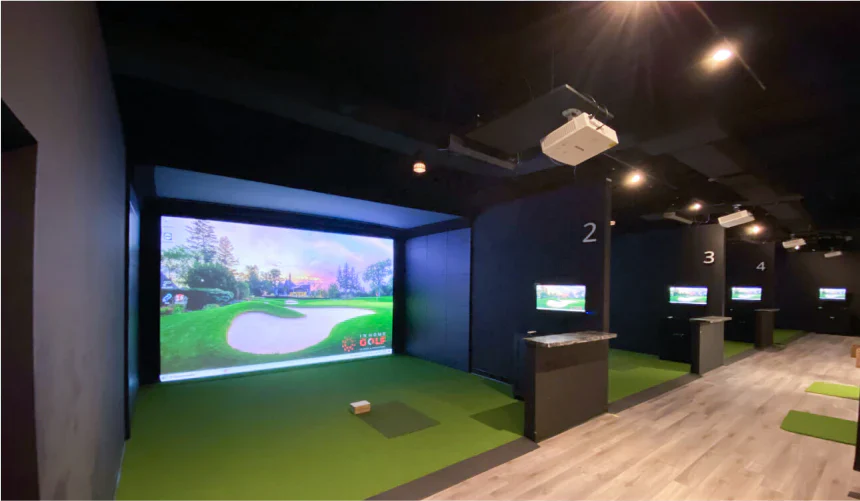

A Fresh Way to Think About Golf Experiences
Golf has always been more than just a sport. It’s a social connector, a business tool, and, for many, a passion that helps them unwind. But what if those benefits could be enjoyed without the hurdles of travel, weather, or daylight hours? That’s exactly the gap commercial golf simulators are filling today.
This isn’t just about technology—it’s about rethinking what golf can mean for your business. Instead of seeing the game as limited to the fairway, many organizations are now viewing it as an experience that can be brought indoors, scaled, and monetized. From sports bars looking to keep patrons longer, to hotels creating premium guest amenities, simulators are carving out a fresh lane in entertainment and training.
Here’s the surprising part: they’re not just for professional golfers or high-end clubs. Small businesses, fitness centers, and even coworking spaces are starting to use them as unique ways to engage their communities. That means the opportunity is far bigger than most people realize.
If you’ve ever wondered whether golf could fit into your business strategy, this article will walk you through the “how” and “why”—and show you why the businesses that invest early are already ahead.
How To See Simulators as More Than Just Gadgets
The first mistake many people make is thinking simulators are just expensive toys. The reality is very different. These systems are engines of value when used strategically. They give golfers data in real time, allow full-course play indoors, and help businesses drive engagement in ways a traditional setup can’t match.
For training academies, they turn lessons into precise, measurable sessions. For entertainment venues, they keep guests coming back for unique, weather-proof experiences. And for businesses in hospitality, they set the stage for something premium that competitors often lack.
- Coaches benefit from instant performance data.
- Businesses get consistent year-round activity.
- Guests enjoy interactive play that feels authentic.
When you stop viewing them as gadgets and start treating them as platforms, the true business impact becomes clear.
Why Businesses Are Turning to Indoor Golf for Growth
The appeal goes beyond novelty. Traditional golf requires land, maintenance, and seasonal flexibility. Indoor setups slash those barriers while opening new revenue streams. That’s why golf clubs, sports bars, and even coworking hubs are adopting them.
Think of it this way: outdoor golf has time and space limits. Indoor golf does not. Customers can play after work, in winter, or even during lunch breaks. That flexibility adds a layer of value that keeps users engaged and willing to spend.
- Revenue continues even when outdoor courses close.
- Memberships hold stronger during the off-season.
- New audiences discover golf through casual play.
This isn’t just a side benefit—it’s often the difference between stagnant growth and fresh expansion.
What You Should Look for Before Investing
Not all simulators are created equal. Some are designed for casual entertainment with mini-games, while others focus on hyper-accurate analytics for serious golfers. The system you choose should depend on your audience and business goals.
Ask yourself: Do you want to attract families for casual nights out? Or do you want to give professionals a tool to refine their skills? The right answer shapes everything from setup to marketing.
- Clarify your primary audience (casual vs. serious players).
- Evaluate space requirements and setup costs.
- Look at software variety and update options.
Making this choice carefully ensures your simulator drives consistent returns instead of gathering dust.
How To Turn a Simulator into a Revenue Powerhouse
Buying a simulator is step one. Turning it into a business driver is where the real value comes in. Smart businesses use them not just as amenities, but as focal points for events, memberships, and experiences.
Host leagues. Run tournaments. Create corporate team-building packages. Pair the simulator with food and beverage deals. Each of these moves increases customer retention and makes the simulator part of a bigger experience.
- Host seasonal tournaments that bring people back.
- Build subscription packages for repeat players.
- Partner with local companies for event rentals.
Done right, a simulator isn’t just a cost—it’s an investment that pays for itself and then some.
Where Golf Meets Opportunity Indoors
The rise of indoor golf shows us that the sport doesn’t have to be tied to the outdoors. Businesses adopting simulators are seeing more loyal customers, stronger revenues, and a reputation for innovation.
We believe this trend isn’t going away—it’s only growing. If you want to stand out, now is the moment to explore how a simulator can fit into your business model. The fairway may be outdoors, but the future of golf? It’s right inside your doors.